Digital tools currently used in modern organizations are diverse in nature and are essential in the daily functioning of organizations. These tools form a complex software system that supports all business activities, including accounting, inventory, project tracking, and communication. However, when used in isolation, these applications make it difficult for teams to access the right information at the right time. This often leads to duplicated work, communication breakdowns, and data silos. In order to cope with this problem, the number of companies seeking Computerized Maintenance Management Systems, or CMMS API integrations, is growing. These integrations allow various applications to interoperate with each other which results in a connected and effective software stack. Learning to embrace the CMMS API integrations well would go a long way in enhancing operational coordination, data flow and decision making in all the business departments.
Understanding CMMS API Integrations
CMMS is created to facilitate maintenance operations and help organizations manage work orders, equipment history, and preventive maintenance. A CMMS should be seen as more than a single tool. When combined with API functionality, it becomes a powerful source of operational connectivity. The API, or Application Programming Interface, is a computer-based interface that allows one program to share information with another without human involvement.
A CMMS can connect key information across departments by using APIs that synchronize data between teams and make real-time information available to everyone. For example, when inventory systems are connected with maintenance software, parts are automatically reordered as supplies run low. Similarly, integration with financial platforms ensures accurate cost tracking and budget alignment, allowing management to make more efficient financial decisions.
The Role of APIs in Streamlined Maintenance Operations
With API integrations, maintenance efficiency reaches a new level since all needed systems share the same up-to-date information. Technicians can access a single dashboard showing all maintenance data collected from various sources, rather than spreadsheets or disconnected databases.This minimizes chances of making mistakes and maintenance teams always operate with correct information.
These integrations are productivity necessities in industries where the portfolio of assets is complex, like manufacturing, energy or healthcare. A CMMS that supports powerful API can also be integrated with enterprise resource planning tools so that asset and financial data can flow freely between systems. This extent of synchronization minimizes downtime, avoids data fragmentation and makes maintenance operations more responsive to the organization.
Connecting Maintenance Systems with Inventory and Procurement Tools
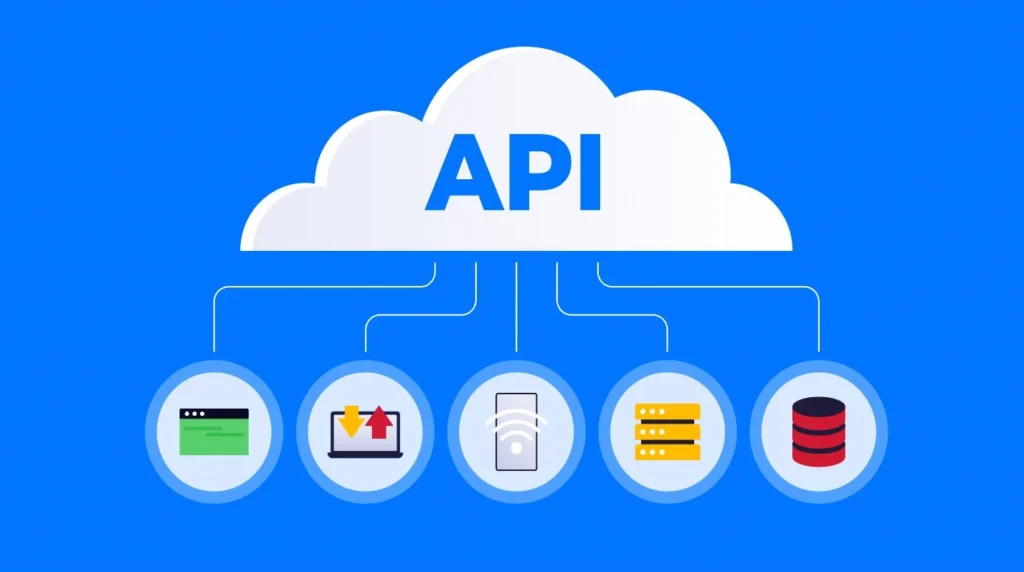
A maintenance system connected to an inventory and procurement platform is a practical use of CMMS API integrations. It allows maintenance teams to track spare-part usage, reorder parts automatically, and prevent costly downtime from low stock. It ensures all maintenance operations have the required materials without overstocking the warehouse.
The interrelation between maintenance management software and procurement platforms also allows higher cost transparency. The procurement managers also have real-time access to expenses associated with each maintenance activity as maintenance work orders can also kick-off a material request with integrated APIs. This assists in enhancing the accuracy of budgeting, minimizes waste provision and adherence to organizational purchasing policies.
Integrating Work Order Management Software with Communication Tools
Team communication is usually essential in order to create a smooth flow of maintenance work. Team coordination can be significantly enhanced through the integration of CMMS or work order management software in conjunction with the communication platform. This includes email clients, messaging systems, or project collaboration tools. Alerts, updates on tasks, and maintenance can be automatically sent to the involved people. The response time can be minimized. Confusion can be minimized as well.
Accountability is also increased by such integrations. Whenever maintenance technicians modify a work order on the CMMS, the modifications can be automatically transferred to the communication platform. This keeps all stakeholders informed in real time. This not only enhances efficiency. The management can also keep track of the progress of the maintenance activities without constantly switching between applications.
Enhancing Data Analysis Through Business Intelligence Integration
The API integrations are also relevant in the analysis and reporting of data. By connecting a CMMS with business intelligence platforms, the data generated by the maintenance activity can be shown and analyzed together with the financial, operational, and production one. This gives the leaders a full picture of the effects of maintenance performance on the overall business results.
Automating data flow into dashboards and reports provides organizations with a chance to track the key performance indicators like downtime trends, repair frequency and cost efficiency. Such understanding is useful in discovering trends that otherwise would not have been visible in independent databases. It also contributes to informed decision-making, which results in the proactive choice of maintenance and an enhanced approach towards managing assets.
Integrating with IoT and Smart Devices
With the advent of Internet of Things (IoT) technologies in industries, CMMS API integrations are increasingly becoming useful. Organizations are able to automate condition monitoring and predictive maintenance by linking the IoT sensors and smart devices with the maintenance systems. Performance information can be relayed to the CMMS by equipment sensors which can trigger work orders or alerts when a given threshold is reached.
Such real-time connection helps maintenance teams shift to proactive rather than reactive maintenance. This reduces unforeseen failures and extends the life cycle of assets. The API serves as the medium of communication between physical equipment and digital management systems. It ensures that sensor data is quickly converted into actionable maintenance responses.
Linking Maintenance Platforms with Accounting and ERP Systems
Another area that will be helped by CMMS API integrations is financial transparency. When maintenance systems integrate with accounting or enterprise resource planning (ERP) systems, the organizations are able to automate expense tracking, calculate depreciation of assets and report on maintenance costs. Such integration does away with manual reconciliation and makes sure that financial information is similar in all systems.
Practically, the connection of a CMMS and an ERP system allows to consolidate asset information, maintenance plans, and finances. The financial managers have a clearer view on the impact of maintenance decisions on the cost of operations and the maintenance leaders can access precise and correct information on budgets. This interdependent perspective allows improved planning and general integration of the maintenance and financial departments.
Building a Unified Digital Ecosystem
The end product of CMMS API integrations is to establish a complete digital ecosystem in which all systems collaborate to facilitate operational efficiency. Instead of looking at them as single tools, API connections turn them into the elements of a unified digital plan. This design will allow all departments including maintenance, procurement, finance, and operations to be supported with the same data base.
A CMMS also improves data accuracy and reduces duplication when linked to other systems in the software stack. Workflows are accelerated, and teams can make more informed decisions without manually transferring information between applications. This centralized environment not only reduces administrative burden but also enhances collaboration across all levels of the organization.
Steps to Begin Implementing CMMS API Integrations
Successful CMMS API integrations require organizations to first identify the most urgent systems needing information exchange. Understanding which tools add the most value—inventory systems, ERP platforms, or communication tools—helps focus integration efforts. Choosing a CMMS with open API documentation and integration opportunities ensures that future connections will be easy as the organization’s software ecosystem grows.
Another point to note is that integrations should be tested before full deployment. This ensures data flows correctly and security measures protect sensitive information. Collaboration with IT departments or third-party integration experts can help refine settings and prevent disruption of current processes. With proper planning and testing, CMMS API integrations can be implemented smoothly and deliver long-term value to the organization.
The Future of Connected Maintenance Systems
With the ongoing rapid digital transformation in industries, CMMS API integrations will continue to increase. The growing use of cloud-based maintenance management software and smart technologies will improve organizations’ ability to create intelligent, interconnected maintenance ecosystems. It is likely that future systems will automate more processes and eliminate the need for manual data processing altogether.
This connected maintenance management will allow organizations to work more effectively, make smarter choices, and ensure more accurate asset maintenance in the future. Through successful CMMS API integrations in today’s environment, businesses can establish the foundation for a more responsive and data-oriented future. In this future, all systems, tools, and teams will work in unison to support continuous improvement and operational excellence.
Conclusion
The use of API integrations to expand the use of CMMS platforms by organizations to handle maintenance activities and also integrate their wider software stack has been redefined. Companies will have smooth data flow and collaboration by connecting maintenance systems to communication, inventory, financial, and analytical tools. This combined approach has removed data silos, minimized inefficiencies, and real-time inter-departmental visibility.
The CMMS functionality, coupled with API connectivity and advanced technologies, creates a maintenance environment that supports smarter decision-making and increased productivity. The CMMS API integrations help businesses make their maintenance operations an integrated and intelligent part of their digital infrastructure. This applies whether they use work order management software, predictive maintenance integrations, or enterprise-wide connections.
For more articles check out our website.

- 100 Movie Trivia Questions With Answers - June 25, 2026
- The Go-To-Market Problem Most SaaS Businesses Scale Right Past - June 19, 2026
- SaaS AI Trends for 2026 - June 4, 2026