Currently, with the digital economy, SaaS-based cloud services are a part of the business operations, and they are flexible, scaled, and accessible. Nevertheless, the ease of such platforms is accompanied by a crucial task: the protection of customer data. Breach of data may have dire effects such as loss of money, litigation and loss of customer confidence. Organizations that do not focus on security risk losing sensitive data and therefore, best practices in the security of data within the cloud should be adopted.
Customer confidence cannot be achieved by merely adhering to regulations. It is the act of showing the desire to guard personal and business information by having strong security mechanisms. Proper data protection policies can be used to ensure that the company has a good reputation, customer loyalty. It will also help to avoid expensive disruptions. SaaS providers can offer efficient and safe services to their customers. It can be done by incorporating detailed security measures into all their cloud storage systems.
Understanding Cloud Security Risks
The initial move towards the protection of customer information is to be aware of the risks that may come along with cloud-based SaaS services. The threats include unauthorized access and data leakage, to more sophisticated attacks, based on the exploitation of the system vulnerabilities. The convenience of the distributed and cloud-based storage may reveal sensitive data when managed poorly. Cloud platforms are also prone to hackers since there is a high data concentration on a centralized platform.
The most frequent causes of security incidents are misconfigurations, weak passwords, and weak access controls. End-users and administrators should also be sensitive to prevent leaving data unprotected by default settings of the platform. Awareness of these risks enables firms to take proactive measures that help them solve vulnerabilities before they can be used. It is essential to know these risks so that a security framework can be developed to protect the information of customers.
Implementing Strong Access Controls
Data security of the cloud-based environment includes access control as one of its most important elements. Limiting access to confidential data will make certain that the customer information is viewed by authorized personnel. The use of multi-factor authentication, role-based access controls, and periodical review of user privileges prevent any unauthorized access and minimize the insider threat risks.
The accountability is also backed by strong access controls which monitor user activity and keep audit logs. These logs would give valuable information on how and when data was accessed in the event of a security incident. It is always a good practice to implement access control policies. So the security measures are not compromised as organizational structures and employees evolve. User access is managed in a careful way which is a pillar in securing cloud storage environments.
Encrypting Data In Transit And At Rest
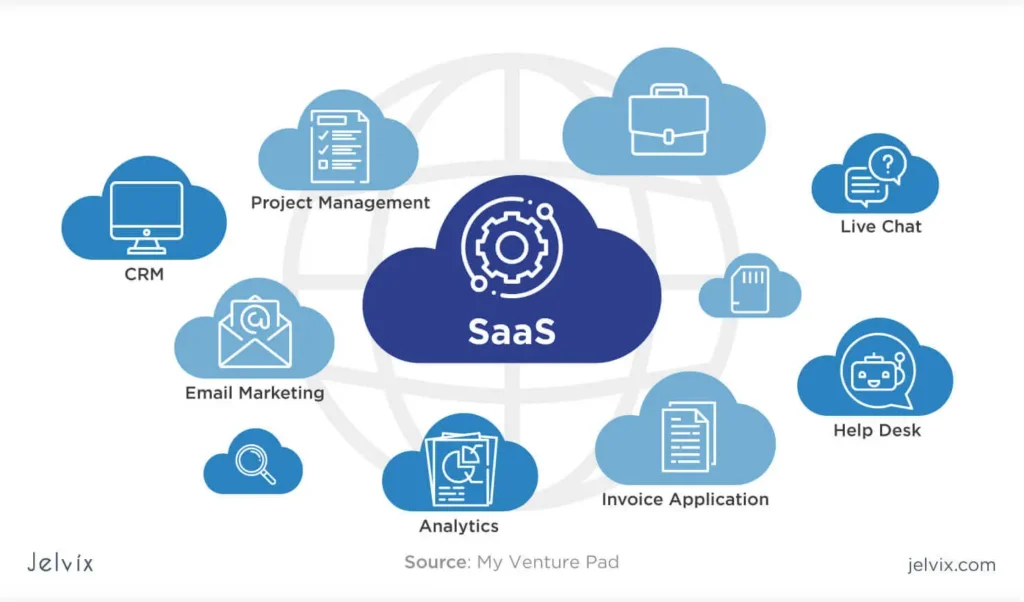
Encryption is an essential exercise of ensuring the safety of customer data during transmission and even when at rest. It will convert readable data into coded format that will be incomprehensible without appropriate decryption key. Encryption ensures that data cannot be intercepted by an unauthorized party when it is transferred between the servers and the end-users. On the same note, an encrypted form of data storage reduces the possibility of information leakage during a breach or physical theft.
The providers of SaaS must use encryption algorithms that are the industry standards and manage their encryption keys in a secure way. Encryption protocols should be checked at regular intervals to ensure they remain secure against the changing threats. Throughout the data lifecycle, encryption of the data enables organizations to establish a robust security posture. The posture ensures the confidentiality of customer data and confidence in cloud-based storage services.
Regular Security Audits And Monitoring
Security of cloud-based systems can only be maintained in the long run by proactively monitoring and auditing of the systems. Constant monitoring identifies abnormal trends, possible violations and security weaknesses of the system. Thus, quick actions can be taken before problems develop. Security audits are done to determine the efficiency of the current controls, determine gaps and also to ensure that industry rules and standards are followed.
Monitoring and audits also aid the SaaS providers in illustrating openness and responsibility towards the customers. Organizations can be updated with the current threats and enhance their security by periodically evaluating their security posture. Such practices are invaluable. They ensure that there is a high degree of data protection. So, the chances that an attack on the cloud storage infrastructure will be successful is minimized.
Data Backup And Recovery Strategies
Despite better security measures, loss of data may happen because of human mistakes, hardware, or malicious data attacks. Use of effective backup and recovery mechanisms will make sure that the data of the customers will be available and intact in every situation. The cloud storage solutions usually offer an automatic backup system. It minimizes the chances of a permanent loss of data which also helps in quick recovery.
It is important to perform regular testing of recovery procedures to ensure that backup systems work and the data can be restored easily. Having more than one copy of backup in different geographical locations provides an additional level of resiliency. These measures are useful to reduce downtimes, business continuity, and customer information integrity even when some unexpected disruptions occur.
Educating Employees On Security Practices
One major cause of data breach in the cloud is due to human error. Employees have to know about the role of security measures and be educated to be aware of possible threats. The threats include phishing emails, rogue links, and social engineering attacks. Security education is also a continual process that strengthens the culture of vigilance and responsibility in every part of the organization.
Training on password handling, safe working with sensitive data, and the correct use of the features of cloud storage should be conducted. Through knowledge empowerment and clear guidance that will be applied by the employees, SaaS providers will minimize the chances of security breaches that may occur by accidental error. The employee who is educated will serve as another line of defense in customer data protection.
Choosing Reliable SaaS Providers
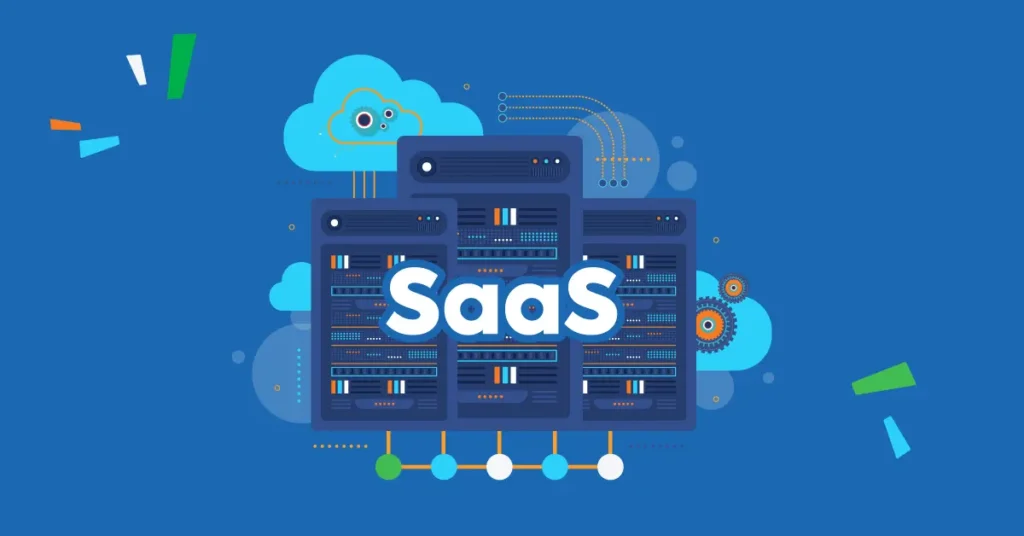
The availability of a good security record by the SaaS provider is very important. It ensures that the data of the customers is safe. Secure providers invest in modern technologies. They ensure that they meet the professional standards, show transparency in their activities, and comply with the standards of security. Free cloud storage solutions are convenient to use, however, companies should assess the extent of protection available in such sites to sensitive data.
Assessment of vendor security policies, certifications, and incident response plans are important in enabling organizations to make proper decisions. Collaborating with quality providers is one sure way to make sure that security practices are always upheld. And also that the data of the customers is managed in a responsible way. Trustworthiness among SaaS providers adds to internal security practices and develops an overall strategy of data protection.
Staying Compliant With Regulations
The adherence to applicable regulations is also a crucial aspect of data security in the form of clouds. Regulations like GDPR, CCPA, and HIPAA introduce the principles of how the information about customers should be stored, processed, and secured. Observance of these rules prevents not only legal fines but is an indication of a desire to protect personal information.
Periodically checking the changes in regulations and integrating compliance into security measures would help to make SaaS platforms compliant with the legal requirements. Accountability is facilitated by documentation and reporting practices and evidence of compliance is presented in audits. Through compliance of regulations in daily business, organizations enhance the overall security posture, and are not losing the confidence of the customers.
Adopting Advanced Security Technologies
The security of cloud-based SaaS platforms is improved through the emergent technologies, including artificial intelligence, machine learning, and behavioral analytics. These tools are able to detect anomalies, forecast the possible threats and automatically respond to the risk mitigation. The deployment of advanced security solutions can also assist organizations to remain ahead of the advanced cyberattacks and threats.
It is also possible to implement real-time monitoring, automated vulnerability scan, and adaptive threat detection through continual investment in technology. Integrating these innovations into the established security practices will result in a multi-layered security. It will secure the data of the customers in a dynamic cloud setting. The use of advanced technology would mean that the cloud storage systems will be resistant to new cyber-attacks.
Building A Culture Of Security
Security is not always merely a technical concern. It is a cultural obligation which cuts across all the parts of an organization. The leadership needs to underline the significance of data safety and invite all the employees to take an active part. Good policies, communication and appreciation of security successes can help in creating a culture of valuing and prioritizing data safety.
Powerful security culture enhances compliance with protocols, increased vigilance, and responsibility. SaaS providers can ensure a strong level of protection of the data of customers and build trust with them by integrating security into the organizational ethics. Culture is an enhancement to technology and processes, which develops the atmosphere of security not as an appendage, but as a component of the operations.
Conclusion
Cloud-based SaaS platforms need a holistic strategy that integrates technology, policies, and culture to protect consumer information. Minimize the risks and ensure trust are best practices, such as good access controls, encryption, monitoring, backups, educating the employees and regulatory compliance. The assessment of SaaS providers reliability and the use of sophisticated security technologies also serves as the additional tool to defend against the changing threats.
The increased use of cloud storage and the intermittent use of free cloud storage applications underscores the importance of being extra keen in ensuring that sensitive information is not compromised. With security as a component of all aspects of operation, organizations will be able to protect customer information, regain their reputation and guarantee success in the long-term in the competitive digital environment. Good data protection is not an act or a one day affair, however a sustained effort that not only helps the business, but also the customers.
Click here for more articles.

- Best AI SEO Tools for SEO Automation in 2026 - January 14, 2026
- Top 5 Best AI Presentation Makers in 2026 - December 24, 2025
- Best AI Text Generator Plugin for Woocommerce: WriteText.ai - December 23, 2025