Running a wholesale or distribution business requires precision. If you are still relying on scattered emails and handwritten notes to manage your orders, you likely understand the chaos this creates. Missed orders and inventory errors do not just cause headaches; they cost you revenue and damage your reputation. This is where a robust Order Management System (OMS) becomes essential. These platforms act as the central nervous system of your business. They coordinate everything from the moment a customer places an order to the second the delivery driver hands it over.
However, not all systems are equal. Some suit massive global enterprises, while others cater specifically to niche industries like food and beverage. To help you navigate the options, we have analyzed the landscape. Here is a breakdown of the best order management systems, starting with a solution designed specifically for the Australian market.
1. EasyVend

If you operate within the food and beverage industry, whether you supply dairy, baked goods, juices, or packaged ice, EasyVend stands out as the premier choice. Unlike generic software that attempts to do everything for everyone, EasyVend offers a specialized approach. It focuses on the unique challenges of perishable goods and high-frequency distribution.
Key Features and Capabilities
EasyVend provides a comprehensive “order-to-payment” workflow. This means you manage the entire lifecycle of a transaction in one place.
- Centralised Order Management: You can receive orders through multiple channels, including a branded B2B online portal, manual entry, or CSV imports. All data flows into a single dashboard, which eliminates the need to cross-check different sources.
- MiniVend Driver App: Delivery management is often a weak point for distributors. EasyVend solves this with MiniVend, a browser-based tool for drivers. It allows real-time delivery tracking, proof of delivery, and instant adjustments on the road without requiring app store downloads.
- Automated Invoicing and Accounting: The platform integrates seamlessly with Xero and MYOB. When a driver completes a delivery, the system can automatically generate invoices and sync the data. This saves your administration team countless hours of manual data entry.
- Batch Tracking: For food and beverage suppliers, stock tracking is critical. EasyVend tracks product batches, so you always know where they landed in case a recall is required.
Best Use Case
EasyVend is the ideal solution for Australian growing suppliers and distributors in the food and beverage sector. If you need to manage delivery routes, handle perishable stock, and offer customers a simple online ordering experience, this platform fits perfectly. It delivers “everything you need and nothing you do not.”
2. Cin7 and QuickBooks Commerce
For businesses that deal primarily with non-perishable dry goods, systems like Cin7 or QuickBooks Commerce are strong contenders. These systems often focus heavily on omnichannel retail, connecting physical stores with online marketplaces like Amazon or eBay.
Key Features and Capabilities
These platforms excel at connecting various sales channels.
- Multichannel Sync: They link your website stock with your warehouse stock. If you sell a t-shirt on Amazon, Cin7 detects it and deducts it from your central inventory automatically.
- Barcode Scanning: Many of these tools come with built-in barcode scanning features to assist with pick-and-pack processes in a standard warehouse setting.
- B2C Focus: While they handle B2B, their strength often lies in direct-to-consumer sales, offering integrations with marketing tools and shipping aggregators.
Best Use Case
Cin7 and QuickBooks Commerce work best for fashion retailers, electronics sellers, or businesses that sell non-perishable goods across many different websites. However, they often lack the specific route management and complex pricing structures required by food distributors.
3. SAP and Oracle
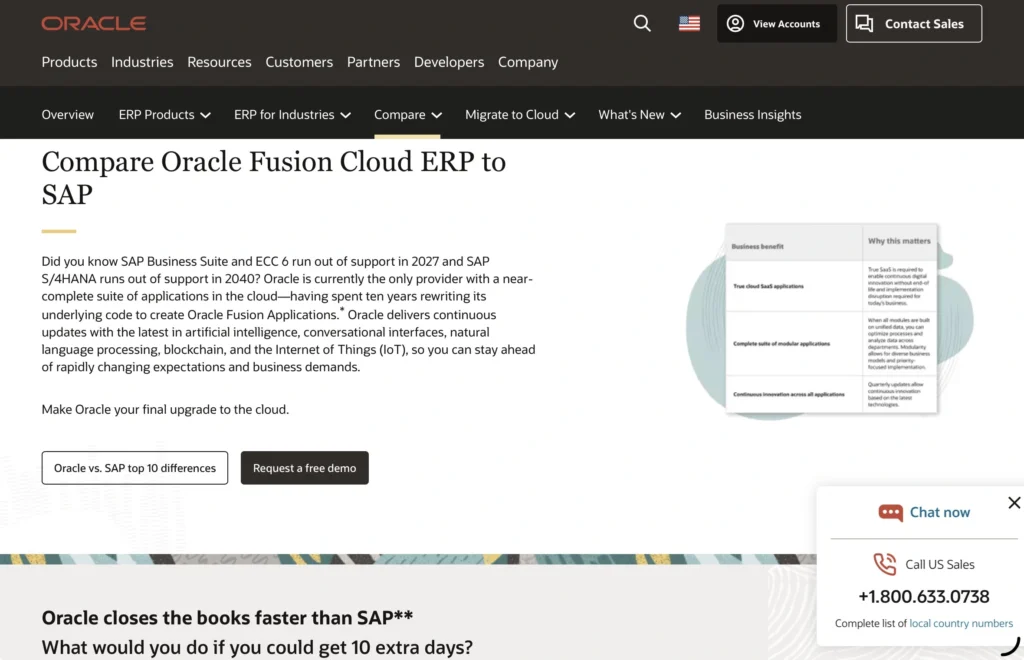
When you look at massive multinational corporations, you will often find them using legacy systems like SAP or Oracle. These are massive, complex ecosystems designed to control every single aspect of a global conglomerate.
Key Features and Capabilities
These systems offer immense power but come with high complexity.
- Global Scalability: SAP and Oracle can handle multiple currencies, languages, and tax laws across dozens of countries simultaneously.
- Deep Customisation: You can build almost any feature into these systems, provided you have a large budget for developers and consultants.
- Complex Analytics: They offer deep data mining capabilities that suit corporations with dedicated data analysis teams.
Best Use Case
These are suitable for massive global manufacturers with unlimited budgets and dedicated IT departments. For a local distributor or a national supplier, SAP and Oracle are often too expensive, too complex, and too slow to implement.
How Order Management Systems Work
Regardless of which platform you choose, understanding the underlying mechanism helps you utilise it better. A high-quality OMS streamlines your operations by connecting disjointed processes.
Step 1: Order Capture
The process begins when a customer places an order. In a modern system like EasyVend, this happens via a self-service web portal. The customer logs in, sees their specific pricing, selects their products, and submits the order. Alternatively, your sales reps might enter the order via a mobile device while on the road.
Step 2: Inventory Allocation
Once the system receives the order, it instantly checks your inventory. It allocates the stock to that specific order, which ensures you do not sell the same item twice. This real-time visibility prevents the embarrassing phone call where you have to tell a client you are out of stock after they have already paid.
Step 3: Fulfillment and Routing
Next, the system organises the physical movement of goods. For food and beverage distributors, this is where route management becomes vital. The system organises orders by delivery run. It helps drivers take the most efficient route. It generates packing slips and delivery dockets automatically. For urgent fulfillment, many systems also integrate with a same-day delivery service to handle last-mile logistics without disrupting established internal runs.
Step 4: Invoicing and Settlement
Finally, the system closes the loop. Upon delivery, the driver captures a signature and images of the goods delivered. The system then converts the order into an invoice and emails it to the customer. If you have integrated your accounting software, the data flows directly into your ledger. This ensures your financial data matches your operational data perfectly.
Why You Must Switch from Manual Processes
You might think your current manual system works “well enough.” However, manual processes do not scale. As you grow, the paperwork grows with you until it becomes unmanageable.
A digital solution removes the friction. It allows your customers to order whenever they want, 24/7. It reduces errors because nobody has to re-type data from a phone message into a spreadsheet. Above all, it improves cash flow by speeding up the invoicing and payment processes.
Final Thoughts
Selecting the right order management system depends entirely on your specific industry needs. If you are a global manufacturer of electronics, a large system like SAP might be necessary. If you are a fashion retailer, Cin7 could suffice.
However, if you are a supplier or distributor in the Australian food and beverage industry, you need a partner that understands your daily reality. You need a system that handles centralised ordering, route optimization, and invoicing with ease. EasyVend offers that precise balance of simplicity and power, helping you automate your operations so you can focus on growing your business.
Click here for more.

- The Best HR Software For Startups in 2026: Tools Built For Growing Teams - July 14, 2026
- 5 Best Shopify GDPR Apps in 2026 - July 13, 2026
- 100 Movie Trivia Questions With Answers - June 25, 2026